Why memorization works

This is part 2 of the four article series "AI Is (Mostly) Memorization":
- AI Is (Mostly) Memorization
- Why memorization works - this article
- How far memorization can go
- Where memorization ends and real innovation begins
Modern AI systems are very good prediction engines at their core.
A recommendation model predicts what you'll click next. A language model predicts the next words in a sentence. A vision model predicts what object is in an image. A fraud detection model predicts whether a transaction is suspicious.
Machine learning works across so many domains because the world is not random, it has structure and repeating patterns.
These patterns largely come from three fundamental sources: physical laws, human nature, and social dynamics. Each creates regularities that make the past a useful guide to the future.
Physical laws: the foundation of consistency
At the most basic level, physical laws ensure that certain patterns repeat.
An apple fell from a tree yesterday, and it will fall tomorrow, accelerating at about ~9.8 m/s². Water freezes at around ~0 °C, whether it is in New York or Tokyo, in 1900 or 2026.
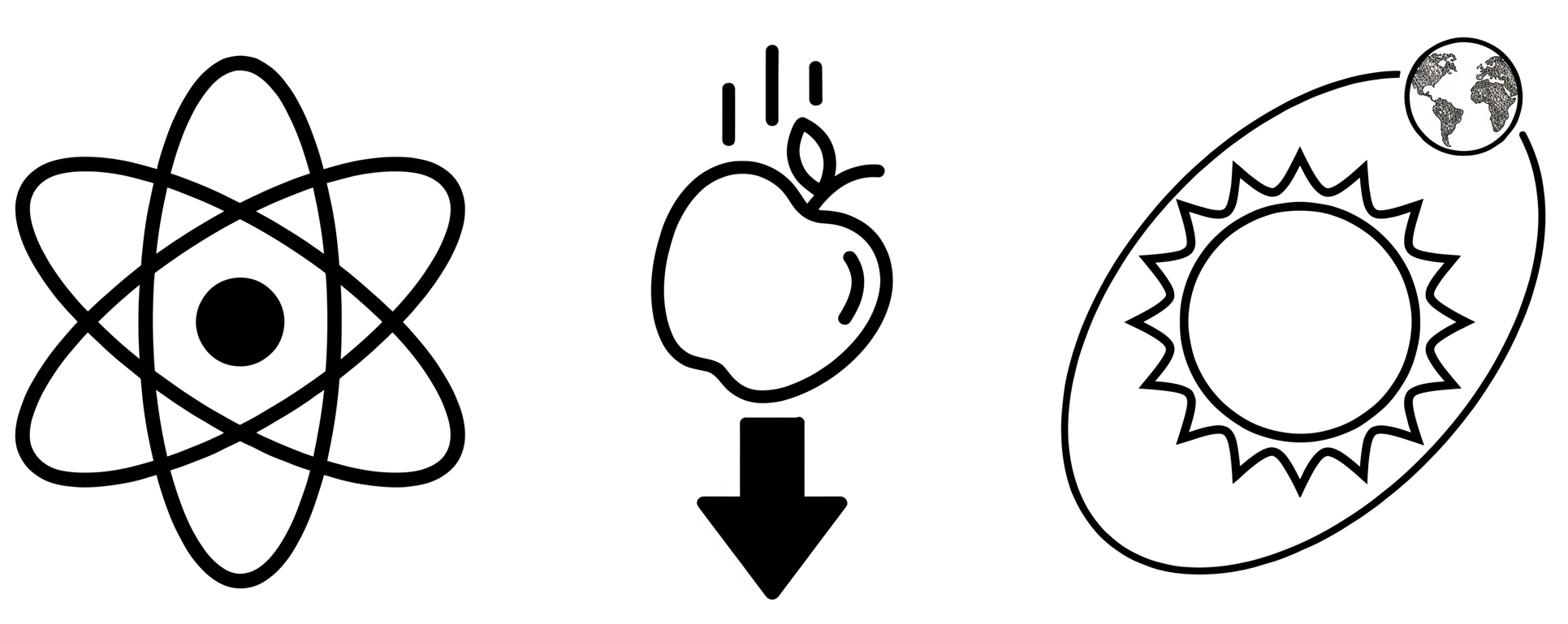
These laws shape everything we observe. Weather follows thermodynamic principles. Light reflects according to optical laws. Sound travels based on acoustic physics.
Consider pedestrian detection in a video surveillance system. It works not only because the AI model has seen many pedestrian images, but because human bodies have consistent structure, move within physical constraints, and are illuminated by light in predictable ways. The model memorizes these regularities, then applies them to recognize new cases.
Weather forecasting shows the same idea. The atmosphere is complex and chaotic, but it follows physical laws such as fluid dynamics and thermodynamics. Similar conditions often lead to similar outcomes. Machine learning models trained on large amounts of historical weather data can pick up these patterns and make accurate predictions.
Human nature: stable patterns in behavior (the persistence of psychology)
Humans are not random. We're shaped by biology, evolution, and cognitive limits.
We seek food, safety, and belonging.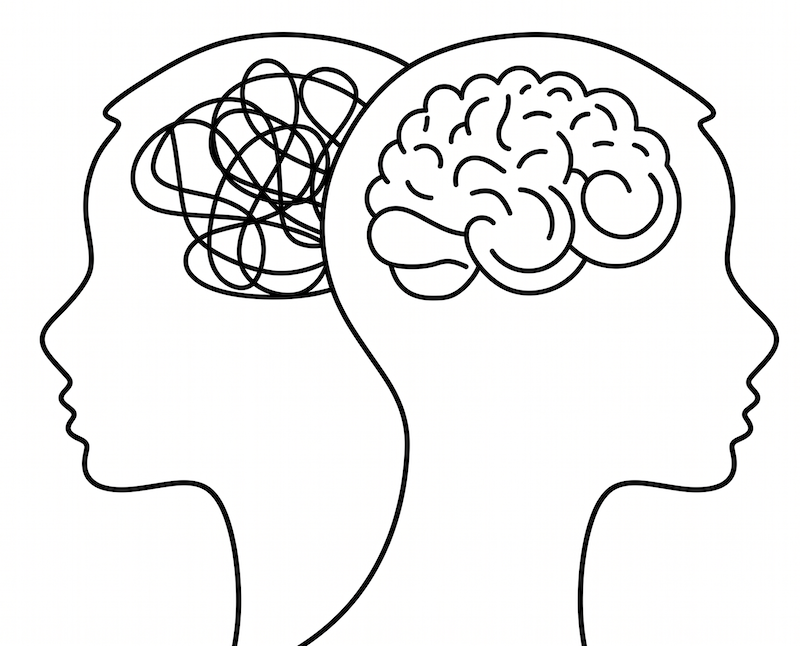
These patterns have remained stable over long periods of time during the history of evolution.
This is why machine learning works so well for applications involving human behavior. Even though each person feels unique, the behavior often follows patterns, and the decisions fall along familiar lines. People who liked certain music or movie genres in the past tend to like similar ones in the future. Recommendation systems rely on this structure, and their predictive power is strong enough to generate billions in revenue.
This doesn’t mean humans are rigid or deterministic. It means that behavior has structure that makes it more predictable than it first appears.
Social dynamics: patterns at the collective level
When many individuals interact in social and economic systems, higher-order patterns appear at a larger scale.
Information spreads through social networks in recognizable ways. Communities develop habits and norms that stick around. Markets react to news in familiar patterns. These regularities emerge from the interaction of many partly predictable humans, creating repetition at the collective level.
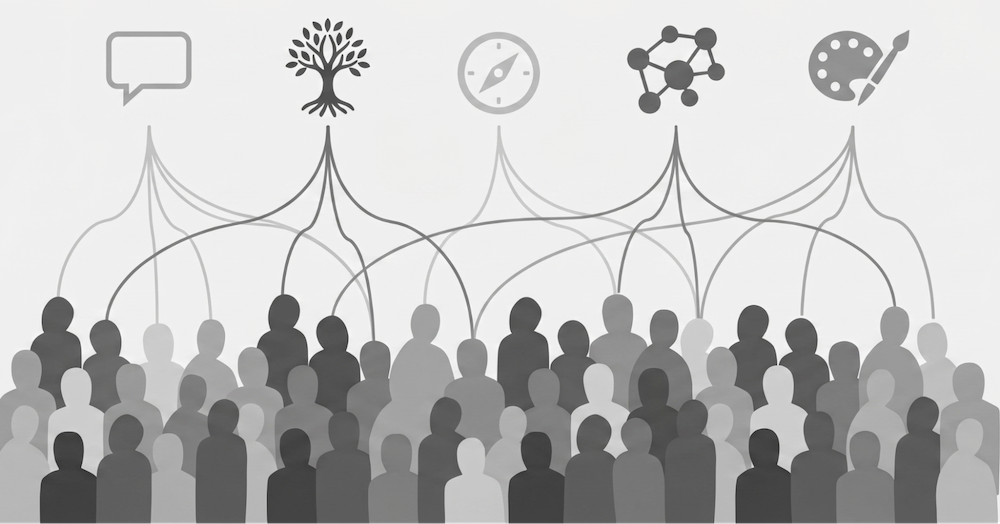
Language is a good example. A language model learns that certain words follow others not because of physical law, but because millions of speakers have implicitly agreed to use language in coordinated ways. Grammar and vocabulary become social conventions, and those conventions create stable statistical structure. That structure can then be learned and predicted.
In areas like advertising and recommendations, we see how social proof and network effects create predictable chain reactions. Products that get early traction often get even more, following power-law distributions that appear across markets and time periods. In data mining across industries, I’ve seen models learn recurring seasonality patterns and business cycles.
Even in domains that feel highly chaotic, like trending topics, viral content, or meme culture on social media, there are underlying patterns in how information spreads, how attention builds and fades, and how communities form. These patterns are not deterministic, but they are far from random. They emerge from social network structure, the psychology of sharing, and the way people react to incentives.
Prediction is easier than understanding
AI does not need to understand why a pattern exists. It only needs the pattern to repeat.
A model doesn't need to understand fashion to predict what clothes will sell next season. It doesn't need to understand humor to predict which post will spread. It doesn't need to understand medicine to flag something unusual in a scan.
Memorizing the pattern is enough. Making a prediction is enough.
But how far can memorization really go? Can it handle genuinely hard problems, or only straightforward pattern matching?
The next artical will talk about: How far memorization can go.